About | Behind The Story | From The Directors| Scenes | Creative Team | Cast | Crew | Need Help? | Credits
Program
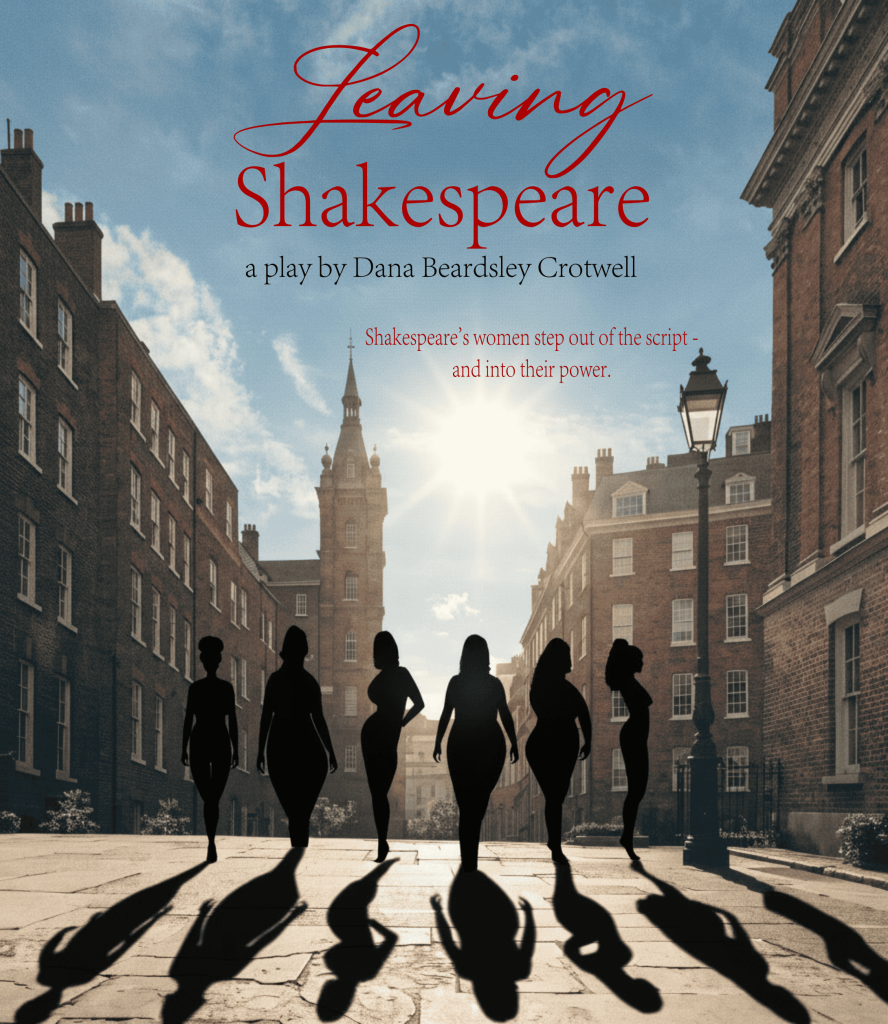
Leaving Shakespeare is what happens when the tragic women of his plays refuse their fate.
Ripped out of time, freed from archaic language and predetermined endings, they step into a new world—one where they are no longer bound to suffer, sacrifice, or disappear. Here, they get to choose.
Juliet doesn’t die for love—she questions it.
Lady Macbeth doesn’t unravel alone—she gets help.
Ophelia doesn’t drown—she wakes up.
The witches don’t just predict the future—they take control of it.
In bold, unexpected, and often hilarious new circumstances, these iconic women are given something they were never allowed before: Agency. Power. Voice. A second chance.
For centuries, Shakespeare’s heroines have been trapped in cycles of tragedy—silenced, sidelined, or destroyed in service of someone else’s story. Leaving Shakespeare flips the script.
What if they lived?
What if they healed?
What if they thrived?
Watch as Desdemona, Emilia, Bianca, Cordelia, Gertrude, Calpurnia, Cleopatra, and more rise out of the wreckage of their original fates and into something entirely new—supporting each other, rewriting their narratives, and discovering who they are when the story is finally theirs.
Tragedy becomes transformation.
Silence becomes expression.
Survival becomes power.
It’s bold. It’s irreverent. It’s deeply human. And yes—it’s very, very satisfying.
Because you can’t change everything for everyone…
but you can change everything for the women who were never given the chance.
The Story Behind the Story
By Dana Beardsley Crotwell
This project started in 2024 when I got a radical hysterectomy and felt an odd kinship with Lady Macbeth. It was one of those days when the poem just pours out of you and you feel in the zone. It got me thinking about all of the ladies in the plays who never got their due or anything else to ease the pain of depression and menopause and mistreatment. What if the plays were different and named for the women and were their stories and the men were side characters? I started that summer going through the tragedies and cherry-picking poetic lines from William Shakespeare’s plays (in the public domain) and writing poems, monologues, snarky commentary about the women’s situations, delving into their points of view, and realizing his universals for women were pretty dark. I wanted to give them a new future and figure out what we need to do as women right now to secure the present and future.
My hybrid (mix of two forms) 28-page chapbook of poems and drama was rejected by many publishers who didn’t get it – or weren’t interested – or found it too strange. I sent it to close friends including my college roommate Jen Mendez McDonnell, and office mate at ECC Jen Annick, and friend from junior high, Burt Bulos, who were kind first readers. Burt said we could make it into a play. He gave me some “homework” reading screenplay books and had me write several versions – one we called Restoration Hardware – pretending we had tons of money and characters and scenes. Then we talked about Vagina Monologues – which I had read but not seen. I watched it with my husband (who also earlier visualized the concept as maybe being for TV or film) and it kind of came together. I wrote another version – a stripped down one, about six actors – envisioning four stools, a plant, and some prop tables – that we called Ikea. This is presently the working fifth version of the 45-page Ikea, after many wise notes from friends out of the business, and good ideas from some lovely people in the business. Michelle Merring gave great tips on how to adapt it more for the stage and make it accessible to all audiences. And Burt and Murisa Harba reminded me to show not tell and provide action for the audience and the actors.
From the Directors
From Murisa Harba
What if the women of Shakespeare had been given a different choice?
Leaving Shakespeare invites us to reimagine some of literature’s most iconic female characters—not as victims of fate, but as women capable of rewriting their stories. While Shakespeare’s works have endured for centuries, the struggles faced by Cleopatra, Desdemona, Emilia, Bianca, and Lady Macbeth remain strikingly familiar. They navigate toxic relationships, societal expectations, power imbalances, isolation, and the pressure to sacrifice themselves for the desires of others. Their circumstances may be centuries old, but their challenges are not.
This production asks what might have happened if these women had found the support, courage, and resources to choose differently. What if Cleopatra had claimed the partnership she deserved instead of accepting the role assigned to her? What if Desdemona, Emilia, and Bianca had a community of women helping them recognize and navigate manipulation and abuse? What if Lady Macbeth had received the care and healing her body and mind so desperately needed? What if these women were empowered to rise beyond the narratives written for them?
Michelle & I co-directed this production as an immersive experience that dissolves the traditional boundary between performer and audience. Rather than simply observing these women break free, audiences become part of the journey. They are invited into the world, the choices, and ultimately the transformation itself.
At its heart, Leaving Shakespeare is both a celebration and a rebellion. It honors the timeless brilliance of Shakespeare while daring to imagine new possibilities for the women he created. Our hope is that audiences leave not only entertained by a powerful theatrical experience, but inspired to examine the stories they have inherited, the roles they have been assigned, and the places in their own lives where they, too, have the power to choose differently.
By Michelle Merring
Almost 7 months ago I received a copy of Leaving Shakespeare from my friend Burt. His wonderful friend Dana had written a series of monologues about the women of Shakespeare’s time, and he asked me to read it.
If you know Shakespeare, you know that he misaligns women. He calls them names like hags, He doesn’t give them a say in their future, sends them off to a nunnery, beats them, makes them into whores, and sometimes kills them.
Shakespeare doesn’t seem to like women very much.
And it seems to me that the Shakespeares of today are doing the same. For people who identify as women, many of us feel our voices are muted, our worth devalued, our safety and body autonomy threatened. We may feel isolated, alone in a world where men, time and time again, get paid more, are believed more, and continue to put us behind.
Yet what I saw in Dana’s works gave these women a chance to breathe and grow and take back their power. Her words really sparked and inspired me, and when Burt said that Dana wanted to make it into a play, I was excited to see it be heard.
And here we are, seven months later, in our very own home, About The Work Studio. Our use of this non-traditional space invites you, the audience, to be a part of the story. The characters walk around and through you. We invite you to clap and laugh and talk and be a part of the story in an active way.
My hope is that you take away how valuable a community can be. How, when we stand up and support each other, we can amplify our voices. I hope you can learn that you don’t need to look outside to see your value but to look within. I hope you feel the sense of strength in the power of the collective of women and how we can uplift, protect, give value and make sure that we are making a better world for each other.
I have so much gratitude for these wonderful actors, who gave me their time and talent to create this world. Thank you, my dearest friends. And for Murisa, Burt, Kevin you are my heroes and are a blessing in my life. Dana thank you for your words, your graciousness, your willingness to let us play in your words. Jason and Jazz, thank you for always saying yes, always having my back and holding me up. Love to you all.
Scenes
Scene 1: What Juliet Needed Was Some Girlfriend Time
GF 1: Sotida Arpon
GF 2: Savannah Schoenecker
Juliet: Abbs Stoiber
Friar: Benjamin Hardy
Romeo: Andre Williams
Scene 2: Lady Gertrude Gets It
Host: Murisa Harba
Gertrude’s Friend: Savannah Schoenecker
King Claudius: Benjamin Hardy
Gertrude: Liz Kennedy
Scene 3: Ophelia Takes Some Xanax
Ophelia: Abbs Stoiber
Hamlet: Andre Williams
Polonius: Benjamin Hardy
Scene 4: Calpurnia’s Tarot
Calpurnia: Michelle Merring
Joy: Sotida Arpon
Faith: Liz Kennedy
Cassandra: Savannah Schoenecker
Julius: Benjamin Hardy
Scene 5: Cleopatra’s Origin Story
The Therapist: Liz Kennedy
Cleopatra: Murisa Harba
Antony: Burt Bulos
Scene 6: How to Survive a Narcissist: Desdemona, Emilia, and Bianca
Desdemonia: Savannah Schoenecker
Emilia: Sotida Arpon
Bianca: Abbs Stoiber
Shirley Counselor: Murisa Harba
Scene 7: Lady Macbeth Goes Off Progesterone and Gets Her Uterus Out
Lady Macbeth: Michelle Merring
Scene 8: Witches Brewin’ Good Trouble
Witch 1: Savannah Schoenecker
Witch 2: Sotida Arpon
Witch 3: Abbs Stoiber
Hecat: Murisa Harba
Lady Macduff: Liz Kennedy
Lady Macbeth: Michelle Merring
Creative Team
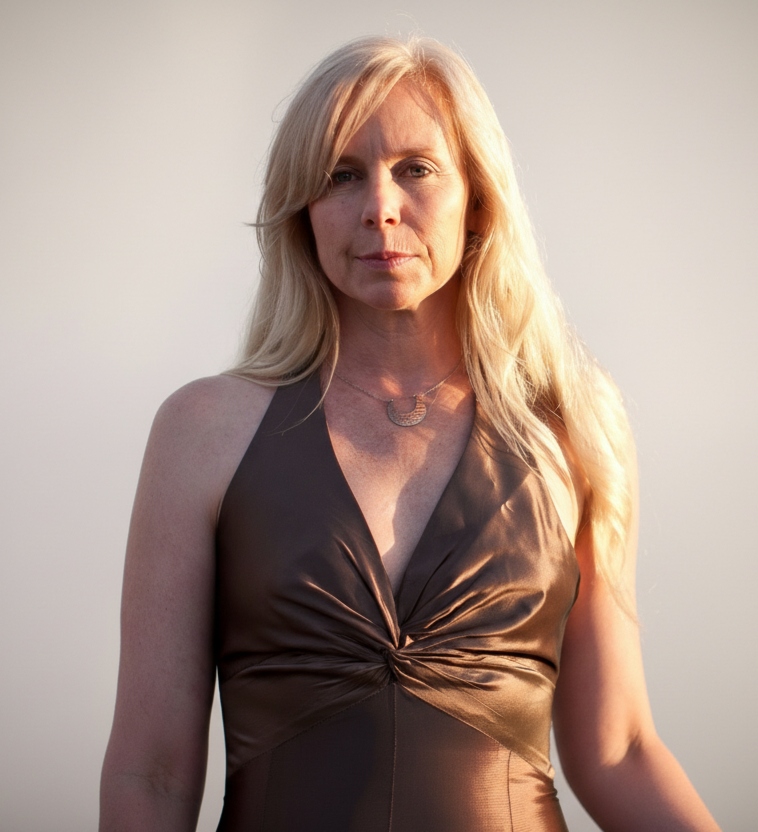
Dana Beardsley Crotwell
Creator / Playwright
Dana Beardsley Crotwell teaches literature, composition, critical thinking, and introduction and advanced poetry for El Camino College in Torrance, California. She earned her degrees from Chapman University: BA in English with a minor in Education, MA in World Literature with an emphasis in Literature of Latin America, and MFA in Creative Writing: double emphasis in Fiction and Poetry. Her work has been featured in print journals including Calliope, Earth’s Daughters, and The Understanding between Foxes and Light. Poems can also be found in the anthologies Proposing on the Brooklyn Bridge, Between Worlds, Ice Cream Poems, and online at spankthecarp.com Pond 12 and fjordsreview.com/womensedition/index.html. This is her first foray into drama.
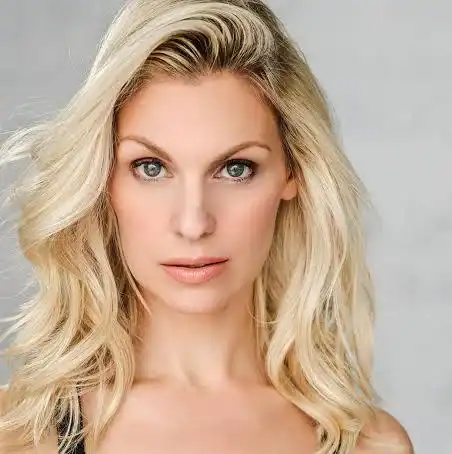
Murisa Harba
Director / Actor
Murisa Harba is an award-winning actress, director, producer, bestselling author of Acting With Energy, and founder of About The Work Actors Studio in Los Angeles. A graduate of Boston University College of Fine Arts, she has starred in projects including The Shattering, The Goldfish, and The Secret in the Basement, earning four Best Actress in a Feature Film awards for her performance in The Shattering. As a director, Murisa made her feature debut with MattBeth, a psychological spectacle she also produced, financed, and stars in. Through About The Work and her signature methodologies, THE CHAKRA APPROACH® and THE MACRO METHOD®, she helps actors access truthful, emotionally powerful performances. She is thrilled to be producing Leaving Shakespeare with the artists of About The Work for the Hollywood Fringe Festival and to celebrate the studio’s theatre becoming an official Hollywood Fringe venue, championing bold new voices and original work.
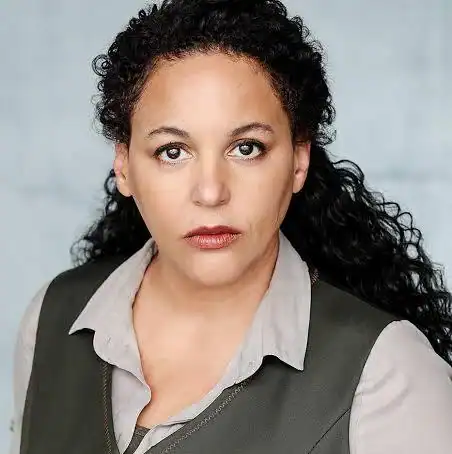
Michelle Merring
Director / Actor
Michelle Merring is an actor, writer, director and producer. Some of her most favorite and recent credits include; as an actress, she was seen in the short film HUEY, on the new show “On Call”, (AMAZON Prime) and received a Best Actress Award for her lead role in the short film “The Brink” (ToeNale Productions). This past winter she did her second one-woman musical: Ms. Christmas at the Aurora Theater. As a producer, Michelle participated in the LA 48 hour Film Project with her film “Atti-Tutor”, and as a writer, currently has her short “Yogurt Girl Two ”on the festival circuit! Michelle is so honored to be co-directing this meaningful piece with these incredibly talented people.
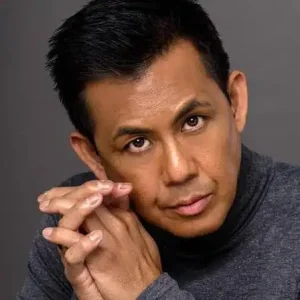
Burt Bulos
Producer / Actor
Burt is happy to contribute to About The Work’s inaugural play in this special space. The fact that the writer is a childhood friend and he’s assisting in bringing her original piece to life, makes it, well, “pretty cool”. An award-winning actor whose select credits include: Fatal Attraction, Bosch, NCIS, NCIS LA, Days of Our Lives, Bones, The Game, Woman on the Other Side of the World (EWP). Producer of critically-acclaimed, award-winning feature film, The Lady Killers. All the ‘slings and arrows’ make life and opening a new work far more interesting and rewarding.
Cast
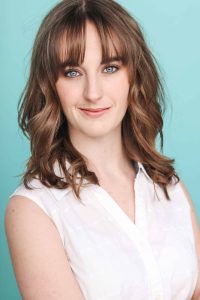
Abbs Stoiber (they/them/theirs)
Actor
Abbs Stoiber is a 2023 graduate from UC Santa Barbara’s BFA Acting program. Most recent credits include Romeo and Juliet (Ensemble), A Midsummer Night’s Dream (Cobweb), The Heiress (Catherine Sloper), Pinocchio (Pinocchio), The Merry Wives of Windsor (Slender).

Andre Williams
Actor
Andre brings a vivacious and magnetic presence to the stage. His formal acting training started in 2023 at About The Work Studios. When he’s not immersed in a script, he’s captivating audiences through 8 counts of hip hop, street jazz, and west African dance styles. Similar to exploring his versatility in dance, Andre also loves to remain well-rounded in his travels. Fueling his burning passion as a creative, Andre’s Systems Engineering background provides him a keen sense of detail allowing him to attentively refine his talents.
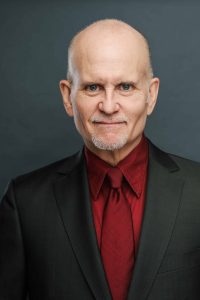
Benjamin Hardy
Actor
Benjamin Hardy is thrilled to be part of ‘Leaving Shakespeare!’ He thanks Murisa, Michelle, Burt and Dana for this amazing opportunity. He is excited to be on stage again with all of his fellow cast members. He is a native of Virginia but has spent most of his adult life in Los Angeles. He has had a long career in movie visual effects on the way to becoming an actor. He is also a writer and director whose short comedy, ‘The Lakeside Ripper,’ has been playing in film festivals nationwide. He played Phil, ‘the Rochester hit,’ on HBO’s dark comedy series, ‘Barry.’ He also acted as a news pundit in the comedy film, ‘Killing Mary Sue,’ on Amazon Prime. Benjamin discovered a love of improv in 2013 and has performed at The Second City, Upright Citizen’s Brigade, iO West, and many other stages. He has studied at About the Work since 2015. Benjamin earned certificates in screenwriting from UCLA Film School, in sketch writing and improv from the Second City Conservatory (Hollywood), and in dramatic performance from The Royal Academy of Dramatic Art (London). He has an MBA from USC.
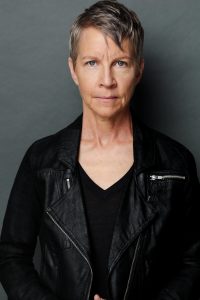
Liz Kennedy
Actor
Liz is thrilled to be making her Los Angeles stage debut and performing in the Fringe Festival for the first time with her About The Work (ATW) acting ensemble. A versatile performer with a B.A. in Drama from San Francisco State University, Liz has built a dynamic career spanning film and theater. Her screen credits include a supporting role in Mattbeth, an ATW production, and the lead role in Old Dykes.
In San Francisco, Liz performed numerous leading roles in productions including High Anxiety, Nothing In Common, and Halloween in the Castro Opera, as well as supporting roles in Waiting… and Coming Out Blonde. Dedicated to continual artistic growth, she currently studies acting with About The Work.
Outside of performing, Liz has worked as a case manager for veterans, an AquaFit instructor and just recently received her certification as a yoga instructor. Her diverse professional experiences bring authenticity, compassion, physical awareness, and adaptability to every role she takes on.
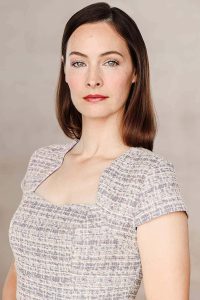
Savannah Schoenecker
Actor
Savannah Schoenecker is thrilled to work with her artistic family on the world premiere of this important feminist piece. Theater highlights include Fritz Lang’s M, Laundry & Bourbon (Eddon Award), Romeo & Juliet (BroadwayWorld nomination), and A Carol Christmas. Film/TV highlights: For All Mankind, Dexter: Original Sin, Queerdos & Mattbeth. AADA-trained and an original member of About the Work Actors Studio, Savannah is also a martial artist, self-defense coach, wreath-maker, witchcraft practitioner, midnight karaoke devotee who tap dances for joy.
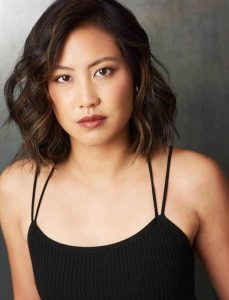
Sotida Arpon
Actor
Sotida Arpon is an actor, dancer, and producer whose work spans film, television, video games, and commercials. Originally from Hat Yai, Thailand, her love of performance began with Rum Thai, a traditional dance before moving to the U.S. at age ten. She has appeared on General Hospital, in the indie feature MattBeth, and served as the Thai language and cultural advisor for the award-winning video game, Indiana Jones: the Great Circle. Beyond the industry, Sotida volunteers with CPAF (Center for the Pacific Asian Family), plays a mean game of Mahjong, and holds a black belt in Wushu. And when she’s not on set, you’ll probably find her cooking or eating (usually both).
Crew
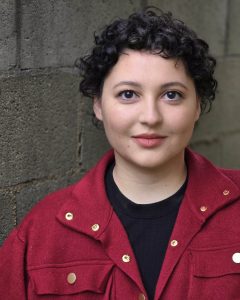
Jazz Hayes (they/them/theirs)
Music
Jazz Hayes is a choreographer, dancer, and actor based in Los Angeles, CA. They use art as activism and awareness with a focus on the human condition of existence while breaking the boundaries between audience, performer, and art forms. Using personal experiences in their work, Jazz creates genuine performances which connect with the viewer on a human to human level. Jazz is interested in further expanding the reaches of art and storytelling by blending art forms and hearing others stories translated into art.

Jason Hayes
Music
Jason appeared as Casius in Julius Caesar at Shakespeare’s Globe in London and many other shows from NY to LA. He’s starred in Law & Order, Malibu, CA, and Van-Pires. His most recent film appearances are in Buttonskies written and directed by Christophe Zajec-Denic and as Horatio King in MattBeth written by Matt Vlahakis.
Need Help?
If you or someone you know has experienced some of the difficult situations/topics discussed in the play, and would like assistance – here are some helpful numbers and websites.
Sexual Assault and Harassment Prevention Program
1-800-656-HOPE or Text “HOPE” to 64673 or visit RAINN at https://www.rainn.org
National Center on Domestic and Sexual Violence
Find a Helpline
https://findahelpline.com or https://www.findhelp.org
1-800-735-2929 (Teletype (TTY) number for people who are deaf or hard-of-hearing)
Crisis Assistance
Suicide and Crisis Lifeline: Call or text 988
Crisis Text Line: Text HOME to 741741
General Crisis Support: Call or text 211 to be connected to local community and health resources
Credits
Music


Alana Jordan

Moonpetal Media
Kontraa
Nicholas Panek
Other
* The Chinese Proverb “When sleeping women wake, mountains move” referred to in the play was found on the homepage of www.Onemillionthumbprints.org. This group wants to stop violence against women and girls in conflict zones with a four-prong strategy of catalyzing voices, funding programs, increasing resilience, and advocating for policies of protection. The quote was posted in 2020 and was accessed 11 August 2024.
* All Shakespeare references throughout these pieces are from The Riverside Shakespeare, Houghton Mifflin Company, 1974.
* Thank you to all of the women before us who created art, resisted, and fought for our rights. The fight continues for equality and autonomy, and we must stay vigilant.